Make Your Native Garden Ecologically Powerful with Keystone Species
Native Gardening Series | Part 2
In Part 1, we helped you determine your ecoregion so you plant species that truly belong in Northern New Jersey. Now, it’s time to make your garden ecologically meaningful.
A garden filled with native plants is great. A garden that supports insects, birds, mammals, soil health, fungi, and entire food webs—that’s ecological power.
What Does “Ecological Value” Really Mean?
A landscape with strong ecological value:
Feeds and shelters wildlife year-round
Supports pollinators and insects that birds and native fauna rely on
Promotes soil health and nutrient cycles
Restores connections between plants and wildlife lost to habitat fragmentation
To do this, gardeners must go beyond planting what’s native — and prioritize species with deep ecological connections: plants that act as keystone resources in local food webs.
Plant Keystone Species First
Keystone plants are those that support a disproportionately large number of insects, pollinators, and wildlife relative to their abundance. Choosing these species increases the ecological impact of every square foot you plant.
Homegrown National Park
This resource shows which native plants are exceptionally valuable for insects, pollinators, and birds in your ecoregion. Prioritize these in beds and borders to maximize wildlife benefit. For example:
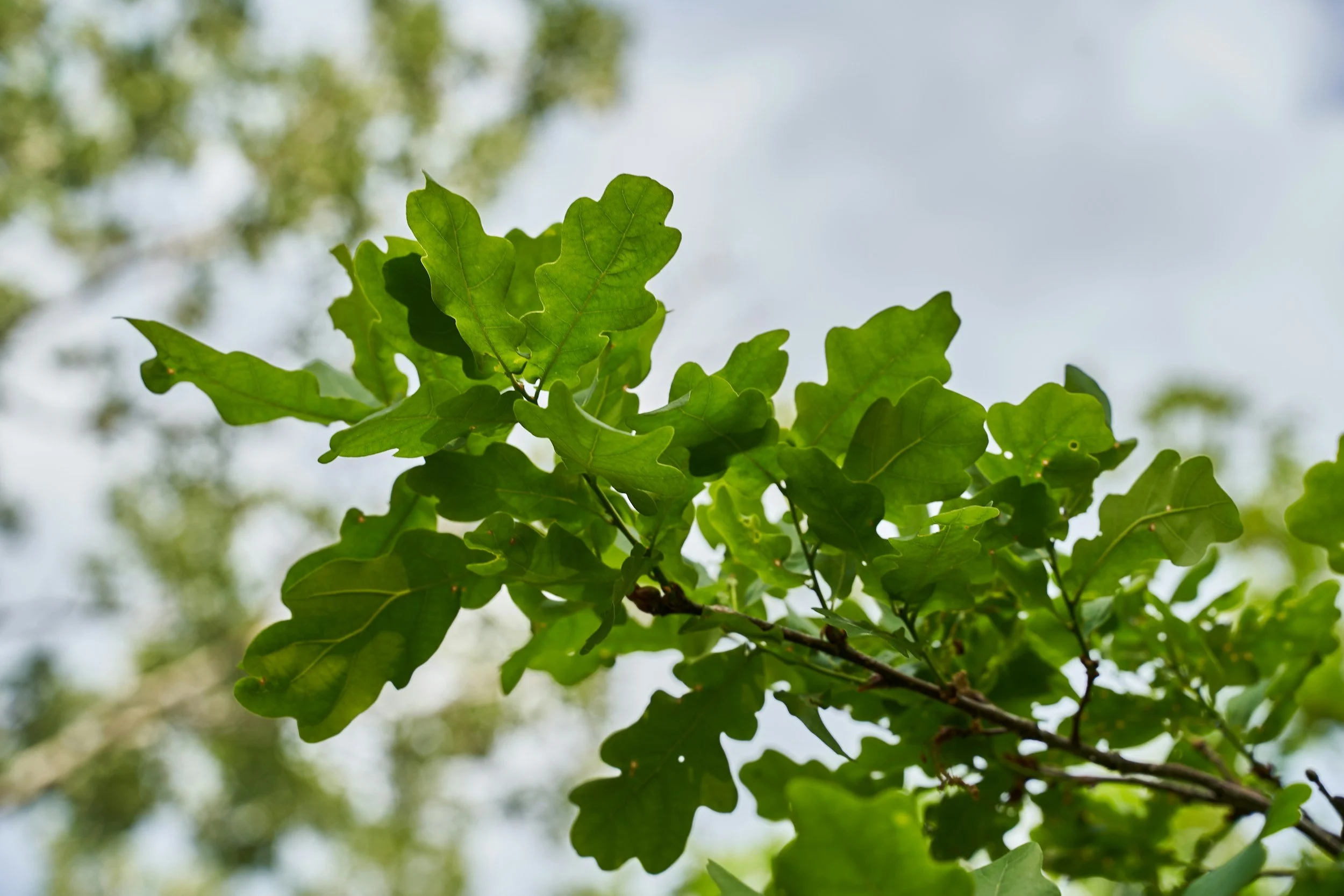
Oaks (Quercus species) host hundreds of insect species
Goldenrods provide nectar and late-season pollen
New Jersey tea supports specialist pollinators
Start your plant palette with keystone species—then fill in supporting players.
2. Look at Species Relationships
Not all native plants are equal when it comes to supporting wildlife. Some trees, shrubs, and wildflowers create complex ecological relationships — feeding insects, birds, and mammals, and associating with beneficial fungi and soil webs.
USDA Forest Service Species Info Tables
When you look up a tree (or other species) in this database, you get:
Associated animals (which birds and mammals use it for food or cover)
Soil preferences (so you plant it where it thrives)
Plant communities it associates with
This helps you design functional plant communities, not just beds of pretty flowers — creating a garden that feels like nature.
3. Support Birds With Purpose
Birds aren’t just beautiful — they’re ecosystem indicators. The more birds your garden supports, the richer your overall habitat.
Audubon Native Plants Database
Audubon’s guides help you choose:
Plants that provide seeds and berries
Species with flowers rich in pollinator nectar
Trees and shrubs that offer nesting sites and shelter
Use Audubon’s database to pick plants that actively help birds thrive in your Northern New Jersey garden.
4. Eastern Temperate Forest Keystone List
For gardeners in Northern New Jersey’s Eastern Temperate Forests ecoregion, the National Wildlife Federation’s Keystone Plant List names the most ecologically impactful species for birds and butterflies — ideal for planning your garden’s backbone.
These are plants that:
Host hundreds of caterpillar species
Produce berries and seeds for winter birds
Offer structure for nesting and cover
Examples include oaks, cherries, hickories, and native shrubs that function as keystones in Eastern forests.
5. Build Plant Communities, Not Isolated Specimens
Ecological landscaping isn’t just about which plants you choose — it’s about how you put them together. Planting in communities that reflect how species grow in nature:
Trees and tall shrubs (providing canopy and structure)
Mid-story shrubs and native grasses (cover and nesting)
Herbaceous perennials and groundcovers (food and shelter for insects)
This layered approach creates:
Continuous bloom from spring to fall
Habitat for ground-nesters and pollinators
Soil and moisture gradients that reduce maintenance
6. Keep Ecological Value Year-Round
Spring: Early nectar and caterpillar foliage
Summer: Full bloom and pollinator support
Fall: Seeds and berries for migratory birds
Winter: Persistent seed heads & woody structure for shelter
The key is to choose species that serve multiple functions across seasons.