Birches (Betula spp.) — The Bridge Between Forest and Meadow
Why Birches Deserve a Spot Beside Oaks, Willows, and Cherries
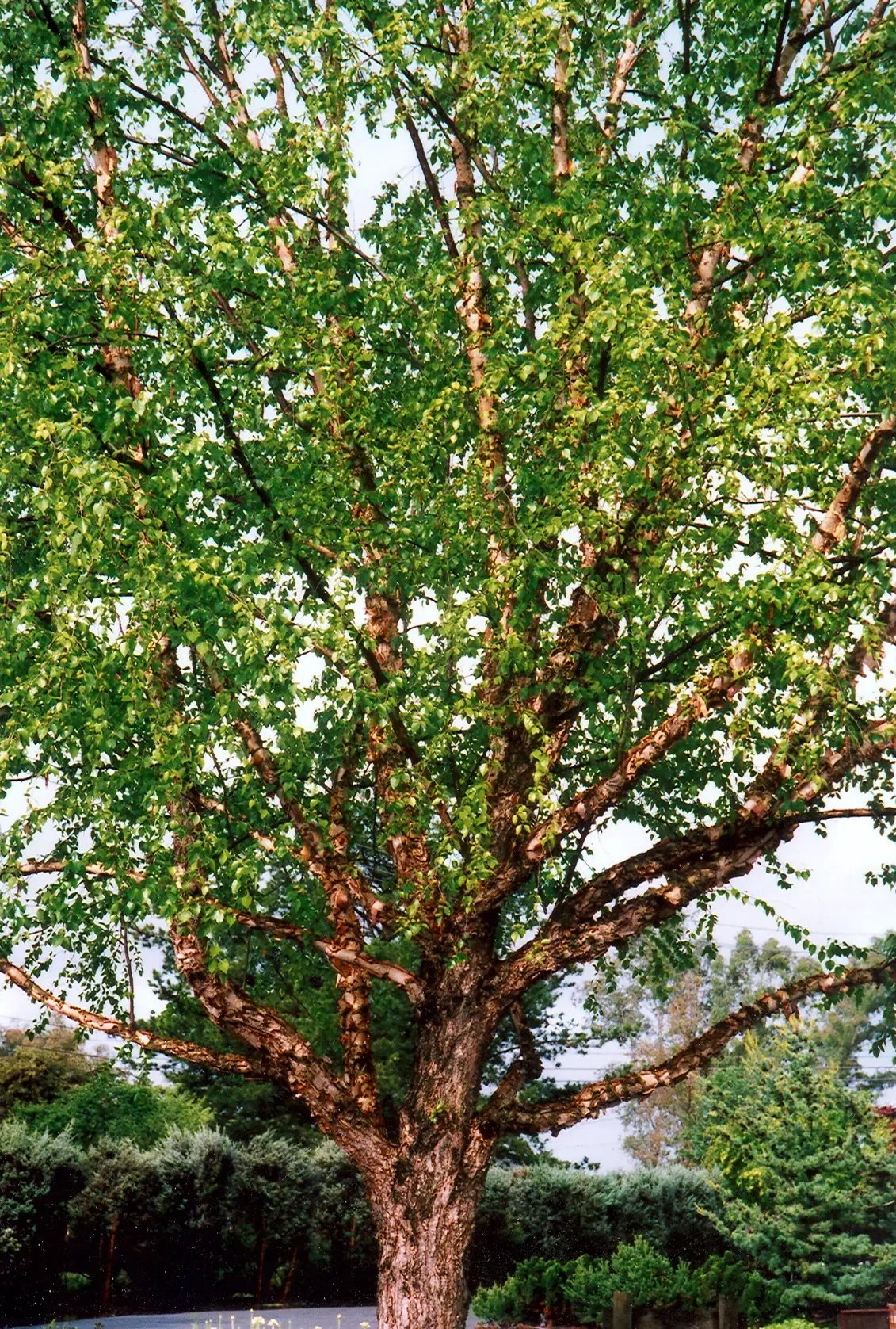
Birches are another top-tier keystone genus in the Northeast, right behind Quercus, Salix, and Prunus in their ability to support caterpillar and bird diversity. According to Dr. Doug Tallamy’s research at the University of Delaware, birches support over 400 species of Lepidoptera (moths and butterflies) in the Mid-Atlantic and New England — making them the fourth most important woody genus for sustaining food webs.
In northern New Jersey, native birches like river birch (Betula nigra), paper birch (Betula papyrifera), and yellow birch (Betula alleghaniensis) thrive naturally in moist soils and along woodland edges.
Ecological Highlights
Host Plant Power: Supports swallowtails, tiger moths, and geometrid caterpillars — all crucial bird food.
Pollinator Value: While wind-pollinated, birches contribute through their early-season catkins, which supply pollen to some bee species that use it for nesting materials.
Habitat and Soil Role: Their shallow, fibrous roots help prevent erosion, making them excellent for riparian buffer and slope stabilization projects around Morris County’s lakes and streams.
Wildlife Shelter: Peeling bark and layered structure create refuge for overwintering insects, fungi, and small vertebrates.
Why Birches Fit Sustainable, Low-Intervention Gardens
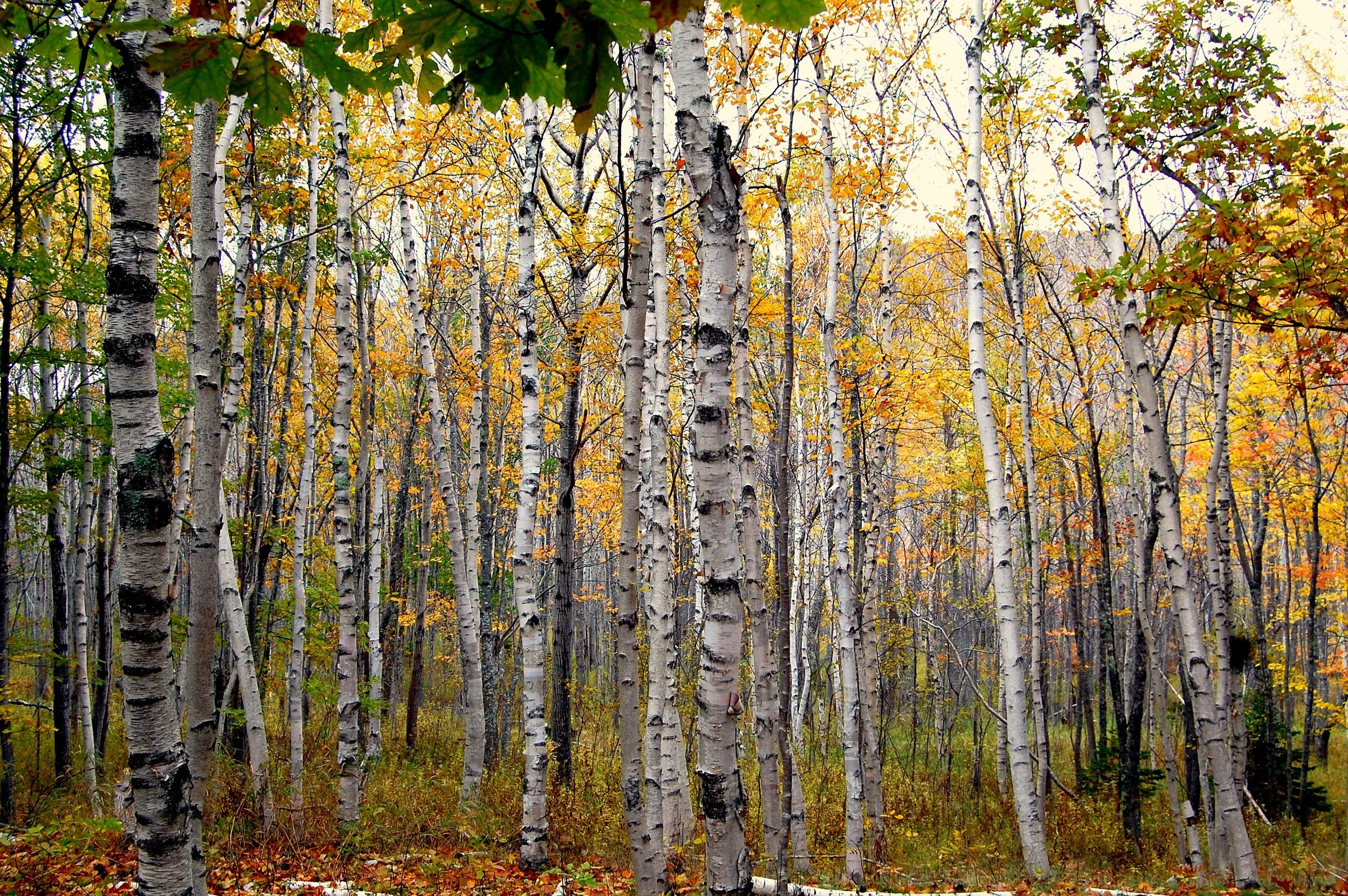
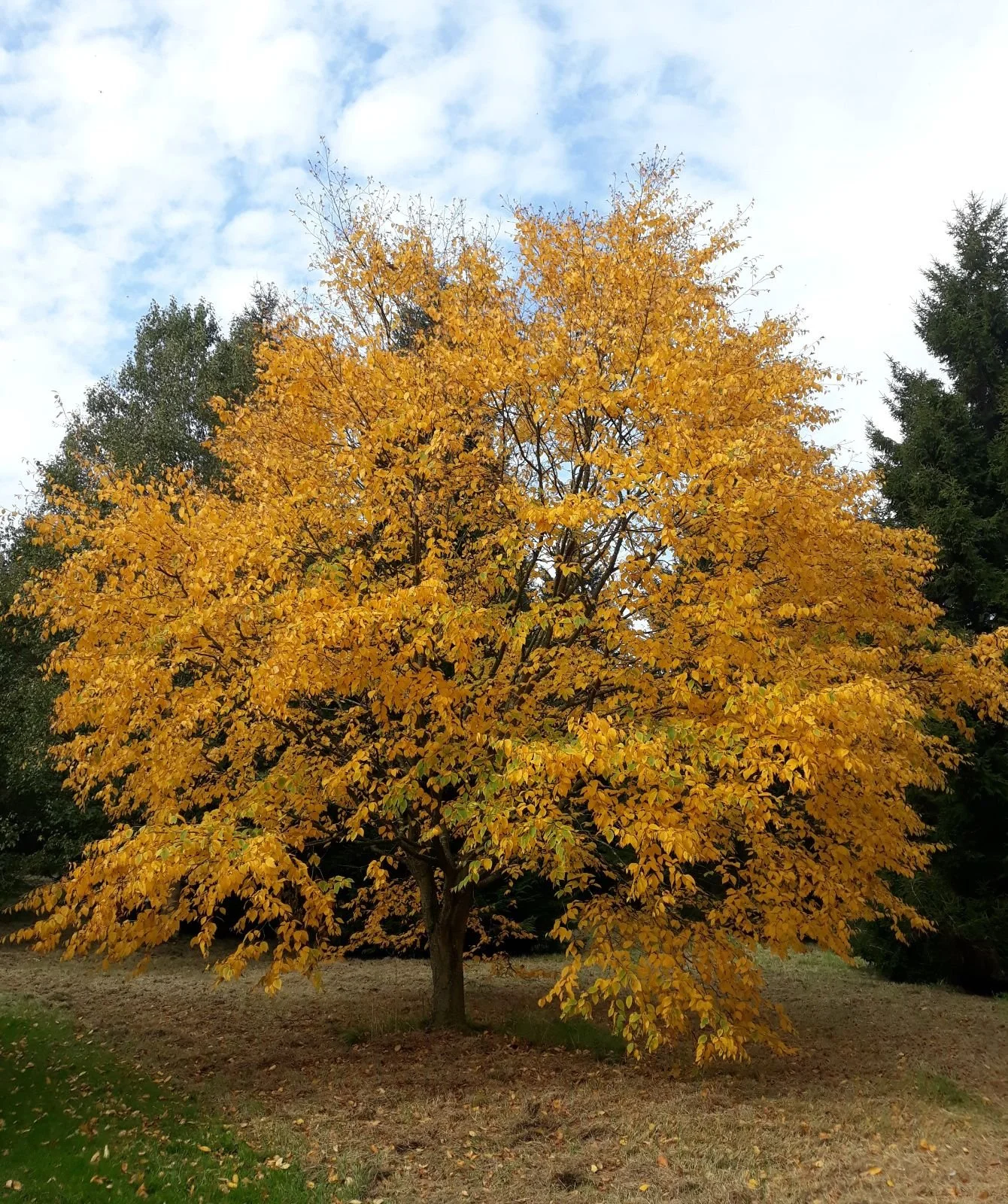
Birches grow fast, tolerate local soils, and add multi-season interest — pale bark in winter, shimmering leaves in summer, golden fall color. They’re also a strong successional species, meaning they establish quickly in disturbed areas and invite other native plants to recolonize — a perfect trait for ecological restoration and sustainable design.
Diversity in canopy trees like oaks, willows, cherries, and birches reduces the need for pesticides or fertilizers, since the mix of plant chemistries and root structures supports a balanced community of insects and soil microbes.
Northeastern Natives to Feature
River birch (Betula nigra) – native to NJ floodplains; adaptable to clay and wet soils.
Yellow birch (Betula alleghaniensis) – long-lived and valuable for both birds and butterflies.
Paper birch (Betula papyrifera) – iconic white bark and high wildlife value for more northern NJ sites.
How Birches Connect to Pollinator Gardens
While birches don’t provide nectar, they form the structural canopy backbone that supports the insects and birds attracted by lower layers — your Monarda, Echinacea, and Solidago. By hosting hundreds of caterpillars, they sustain the very pollinators your perennials depend on. Together, that layered diversity is what allows a garden to become truly self-sustaining.