Willows — Early-Season Lifelines for Pollinators and Wildlife
While oaks power the midsummer food web, willows (Salix spp.) are the first responders of spring — critical to both pollinators and early-season herbivores. Along stream edges, wetlands, and damp soils across Morris County, native willows hum with activity long before most plants leaf out.
The Value of Willows in Northern New Jersey
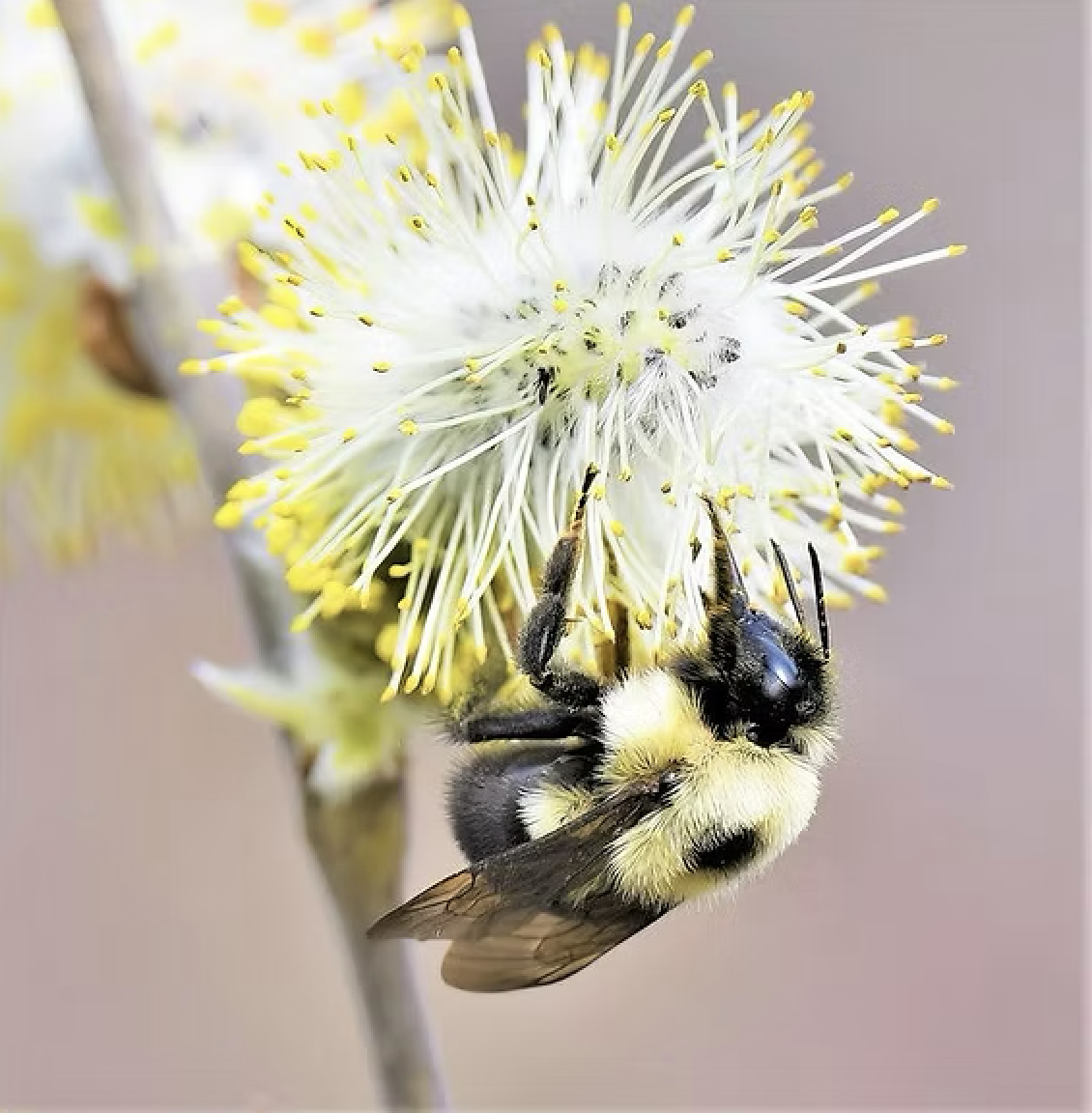
Willows bloom early, offering pollen and nectar to queen bumblebees, mining bees, and hoverflies emerging from winter. Research from the University of Connecticut and West Virginia University has shown that Salix species are among the most important early pollinator resources in the Northeast. By flowering weeks before most trees, they sustain insects when little else is available — setting the stage for a healthy pollinator season.
Why Willows Host So Many Species
Willows support not only bees and flies but also numerous caterpillar species, including many moths and butterflies that rely on willow leaves as larval food. Their flexible wood and moist habitat make them homes for beetles, birds, and amphibians alike. Some studies have found that Salix ranks among the top five genera for overall Lepidoptera diversity in the eastern U.S.
Ecological Design Benefits
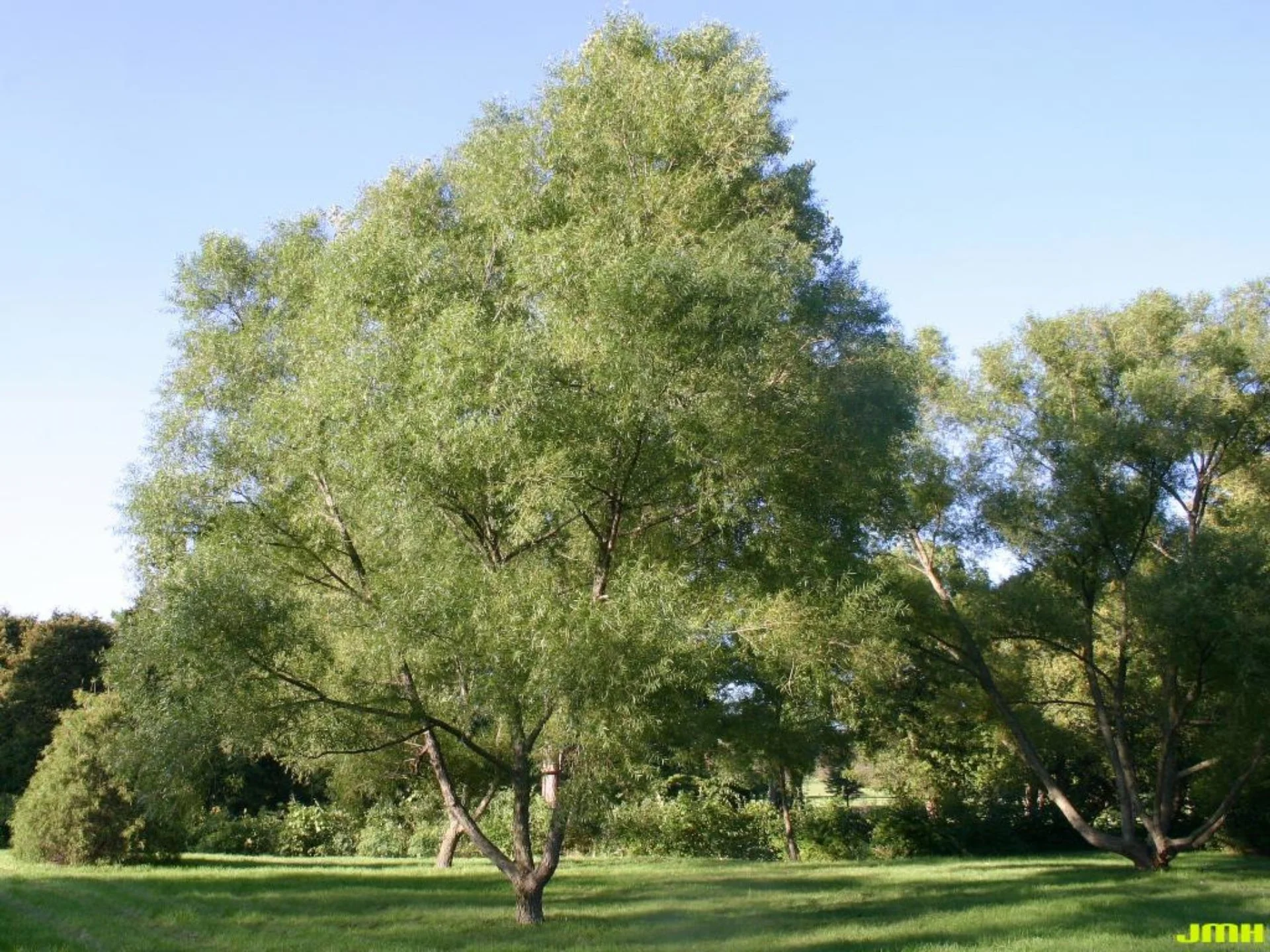
Willows bring function as well as beauty. Their fast growth and dense roots stabilize streambanks, filter runoff, and improve water quality — essential for sustainable garden and watershed health. In riparian buffers and rain gardens, they absorb stormwater while creating structural diversity for nesting birds and native bees.
Northeast Native Willows to Try
Black willow (Salix nigra) – a large, fast-growing tree ideal for wet spots or stream edges.
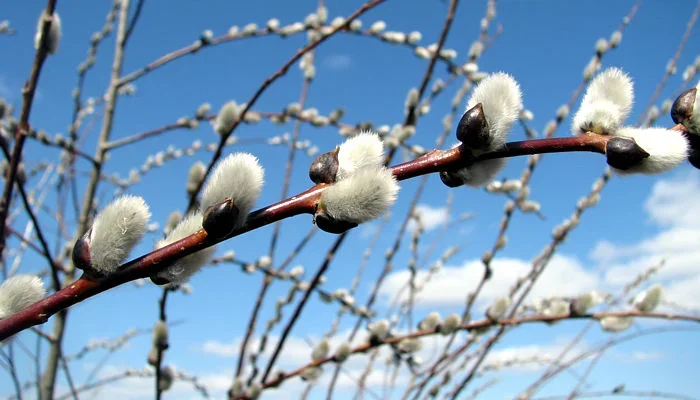
Pussy willow (Salix discolor) – a smaller native shrub perfect for pollinator gardens or mixed borders.
Shining willow (Salix lucida) – a glossy-leaved, wildlife-rich shrub for moist sites.
Connecting to Pollinator Gardens
Planting native willows near meadows, wet swales, or pond edges gives pollinators an early-season bridge until summer perennials bloom. Their role in local food webs makes them a quiet powerhouse for ecological resilience and low-maintenance biodiversity.